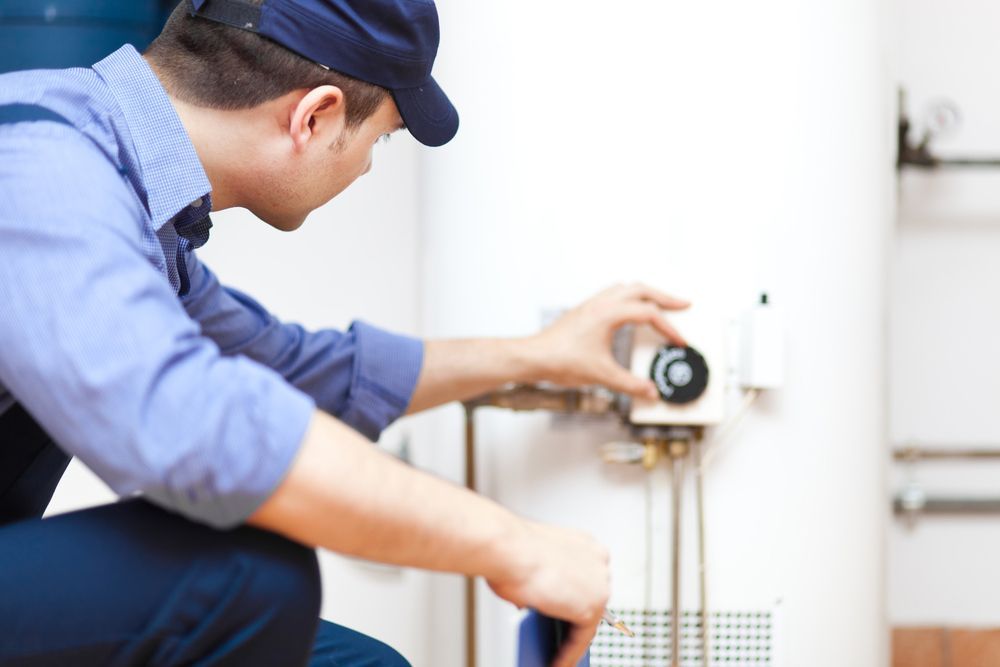
Hot Water System Maintenance Guide for Townsville Homes: 9 Tips to Extend Its Life
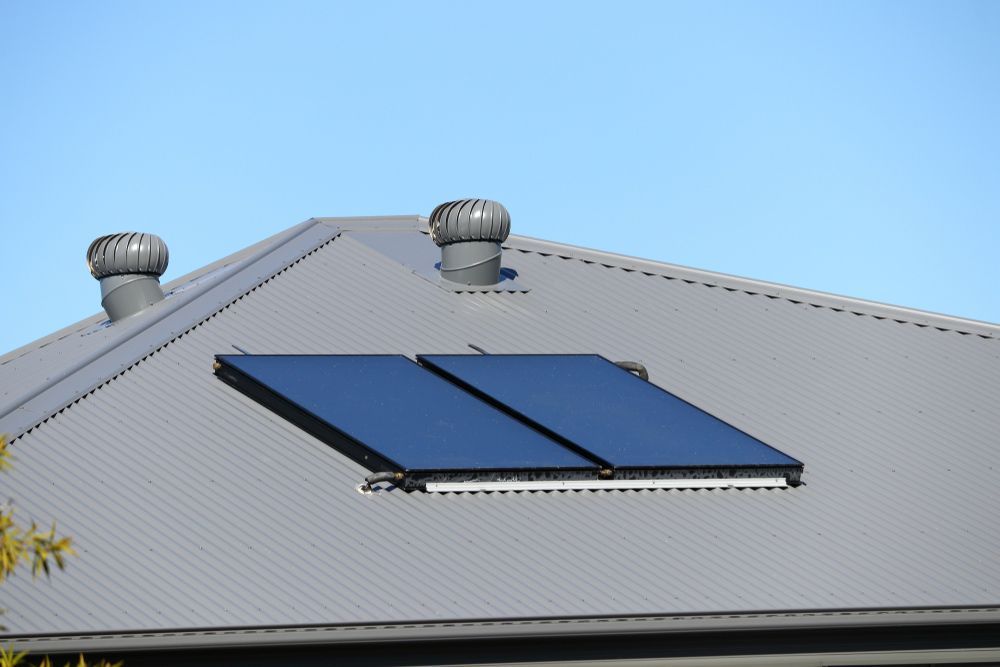
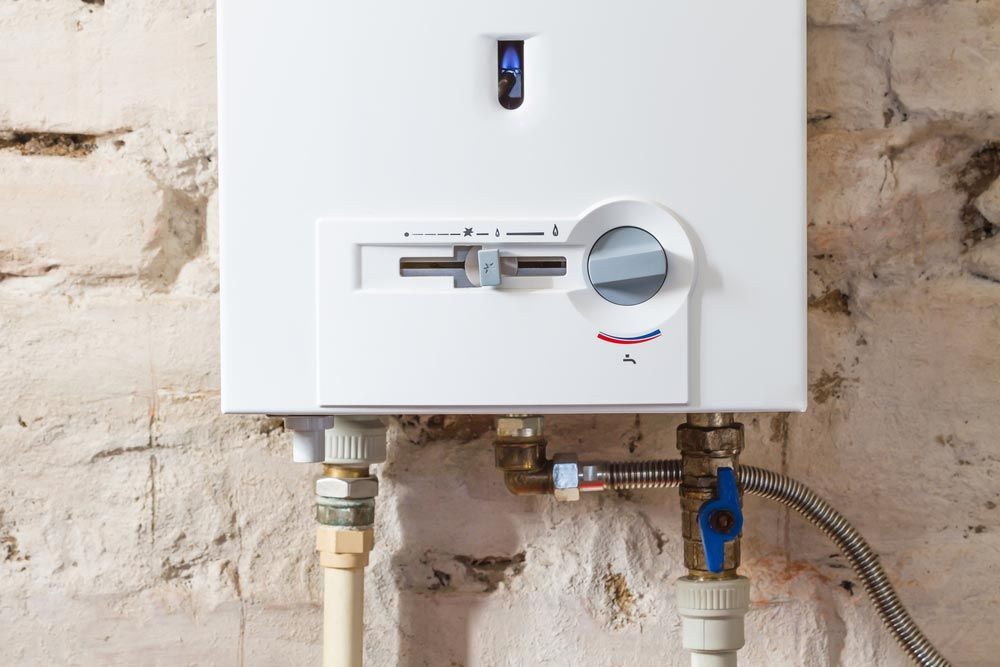
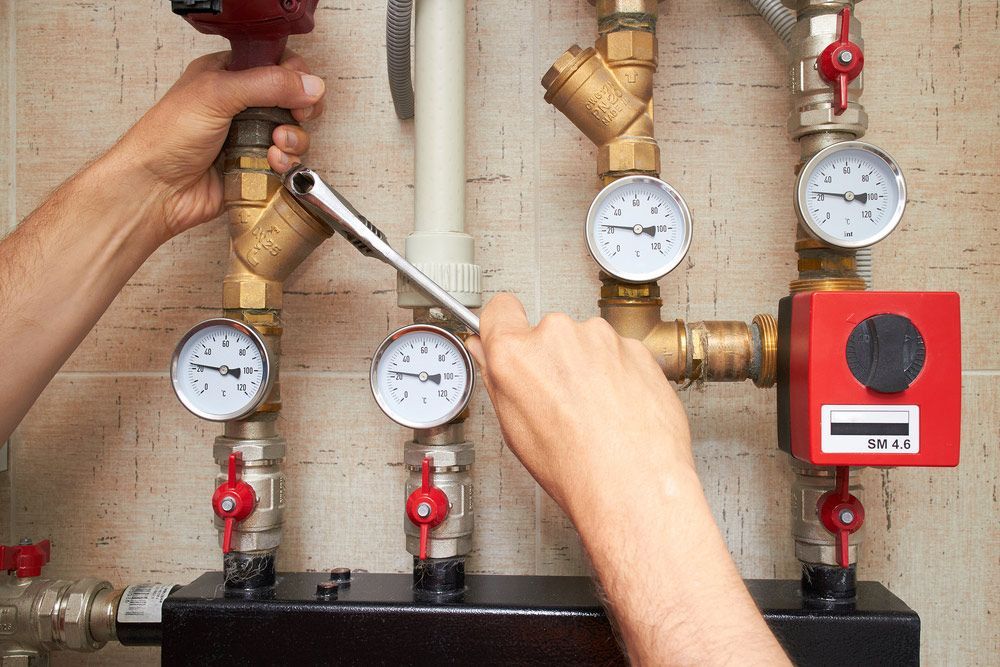
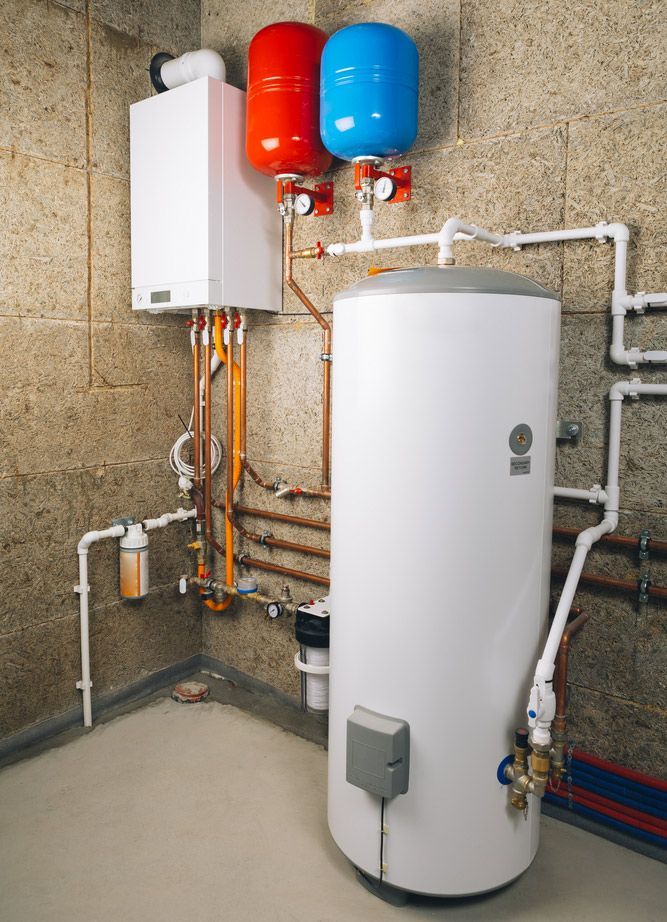
Your hot water system is one of the hardest-working appliances in your home, and one of the easiest to forget about, until you turn on the tap and get a cold shower instead of a hot one. Or the water runs rusty. Or there’s a puddle at the base of the tank you can’t explain. The good news is that most of this is preventable. A handful of simple checks done regularly can catch these problems while they’re still small, long before they turn into a cold shower or a call-out repair. In this guide, we’ll explain how to maintain electric, solar, heat pump, and continuous-flow hot water systems, and when to book professional servicing. TL;DR Know Your System Before You Start Before carrying out any maintenance, identify the type of system installed in your home. Most Townsville homes have one of the following hot water systems: Once you’ve identified your hot water system, you can carry out the appropriate maintenance checks. 9 Essential Hot Water System Maintenance Tips 1. Check the Anode Rod Townsville’s water contains minerals that can gradually corrode the inside of storage hot water systems. To help prevent this, these systems use a sacrificial anode rod, which attracts corrosive minerals before they can damage the steel tank. As the anode rod performs its function, it gradually wears down and becomes less effective. If it isn’t replaced when needed, the storage tank becomes more vulnerable to corrosion, which can shorten the system’s lifespan. What to do: 2. Ease the Temperature Pressure Relief (TPR) Valve Storage hot water systems use a Temperature Pressure Relief (TPR) valve near the top of the tank to release excess pressure as water heats and expands. Over time, minerals can build up inside the valve, causing it to stick or fail to seal properly. What to do: 3. Flush Sediment from Storage Tanks Storage systems gradually collect sediment at the bottom of the tank. As the sediment layer thickens, the system has to work harder to heat the water, reducing efficiency and increasing wear on the heating element and the tank. What to do: 4. Clean Solar Collector Panels Solar collector panels rely on direct sunlight to heat the water in your storage tank. Dust, bird droppings, coastal salt, leaves, and other debris can gradually build up on the glass, reducing the amount of sunlight the panels absorb. As a result, the system becomes less efficient and relies more on the electric or gas booster to heat the water. What to do: 5. Clean Heat Pump Air Filters and Keep the Unit Clear Heat pump hot water systems draw heat from the surrounding air to warm the water in the storage tank. Grass clippings, leaves, and fast-growing vegetation can quickly block the air intake or restrict airflow around the unit. Reduced airflow forces the heat pump to work harder, lowering efficiency and increasing energy use. What to do: 6. Inspect Pipe Insulation and Pipework Hot water travels through insulated pipes from the storage tank to your taps. Over time, intense sun can cause pipe insulation to crack or deteriorate, while weather, moisture, and normal wear can affect exposed pipework, valves, and fittings. Damaged insulation allows heat to escape, while leaks and corrosion can reduce efficiency and lead to more costly repairs if left unchecked. What to do: 7. Flush the System After Long Periods of Low Use When a hot water system sits unused for weeks, water can remain in the tank and pipework for an extended period. Stagnant water can develop unpleasant odours, and minerals and sediment can settle in the system, affecting water quality and system performance. What to do: 8. Check for Rust, Corrosion, and Pest Activity Townsville’s humid climate and coastal air can accelerate corrosion on exposed metal components. Outdoor hot water systems may also attract insects, spiders, geckos, and other pests that can interfere with electrical components or gas burners. What to do 9. Check the Thermostat Setting The thermostat controls the temperature of the water stored in your hot water system. Under Queensland law, storage systems should maintain a temperature of at least 60°C to help prevent the growth of harmful bacteria. A faulty thermostat can cause water to become too hot, not hot enough, or heat inconsistently, affecting both safety and efficiency. What to do: Seasonal Maintenance for Townsville Homeowners In addition to the tips above, Townsville’s tropical climate brings a few season-specific things worth watching for. Here’s what to check depending on the time of year: Season What to Watch For Recommended Check Dry Season (May–October) Dust, coastal salt, and prolonged sun exposure can affect solar panels, pipe insulation, and outdoor units. Clean solar panels, inspect pipe insulation, and remove debris from around outdoor units. Wet Season (November–April) Heavy rain, humidity, and storms can increase the risk of corrosion, water pooling, and reduced solar performance. Check drainage, inspect for leaks or rust, and ensure the solar booster is working properly. Final Thoughts The tips in this guide will help you stay on top of your system’s condition, catching the obvious stuff before it turns into a bigger problem. But there are parts of the system you can’t safely access yourself, and that’s what a licensed plumber is for. We recommend scheduling an annual service so someone can take a proper look at the parts you’re not equipped to check, and catch anything that needs repairing or replacing before it turns into a system failure at the worst possible time. Our plumbers at 1Touch Plumbing are QBCC licensed and ready to help, whether your system’s due for a service, needs a repair, or just isn’t performing like it used to. Contact us today to keep your hot water system performing at its best. FAQs How much does hot water system servicing cost in Townsville? A routine hot water system service in Townsville costs between $250 and $400, depending on the type of system and the work involved. If worn components need replacing, repairs range from